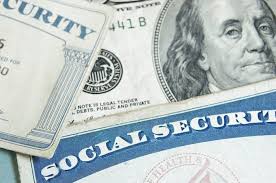

Identity theft involving your Social Security number (SSN) is a serious threat.
Once a thief uses your SSN, they can open credit in your name, file fraudulent tax returns, or even claim benefits under your identity.
Recovery takes time but there are structured steps.
This article explains how Social Security identity theft occurs, warning signs, prevention measures, and how to recover using official systems.
What is Social Security identity theft and how serious is it?
Social Security identity theft happens when someone uses your SSN without permission.
They might use it to obtain credit, medical services, government benefits, or file taxes.
Because the SSN is linked to your lifetime earnings record and government benefits, misuse can corrupt your records and cause long-term harm.
The SSA publishes a guide, “Identity Theft and Your Social Security Number” to warn about these risks.
When misuse happens, your credit, tax status, and benefit amounts may be affected.
It may also make it harder for you to access your rightful benefits or force you to spend time clearing incorrect information.
How can thieves steal or misuse your Social Security number?
Here are common ways SSN theft occurs:
- Data breaches or hacking. Large-scale leaks from government, employer, or business databases expose SSNs.
- Phishing, vishing, or fraud calls. Scammers impersonate government agencies and ask for your SSN or personal information.
- Mail theft or dumpster diving. Thieves gain documents containing SSNs from mail bins or trash.
- Stealing wallets or files. Your Social Security card or paperwork can be stolen.
- Fraudulent employment or benefit claims. Someone may falsely use your SSN to get a job or claim Social Security benefits.
- Purchasing stolen information. Criminals buy SSNs on the dark web and assemble identity profiles.
Once they have your number and other personal data, they can open credit accounts, file fraudulent tax returns, or receive government payments under your name.
What warning signs suggest your Social Security number or identity is misused?
Watch for these red flags:
- You receive bills or statements for accounts you never opened.
- Debt collectors call you about accounts you don’t recognize.
- You are denied credit unexpectedly.
- Medical bills show services you did not use.
- The IRS sends notices of multiple tax returns filed under your SSN.
- Your Social Security statement or benefit record shows work or earnings you did not make.
- You get alerts of changes to your Social Security record you didn’t request.
If you notice any of these signs, act quickly.
How to prevent Social Security identity theft
You can take multiple steps to reduce risk:
- Do not carry your Social Security card routinely. Keep it secure.
- Use strong, unique passwords and enable multi-factor authentication for your accounts.
- Be wary of unsolicited calls, texts, or emails asking for SSN or personal info.
- Shred documents containing sensitive personal data before disposing.
- Keep your my Social Security account protected; check your earnings record often.
- You can request SSA to Block Electronic Access to your SSN record. This prevents viewing or changing your info via online or phone automated systems.
- Set up fraud alerts or credit freezes with credit bureaus (Equifax, Experian, TransUnion) so that new credit requests are flagged or blocked.
These layered protections reduce exposure and help detect misuse early.
What immediate steps should you take if your SSN is abused?
- Report to IdentityTheft.gov / FTC
Use the official site to report the theft and get a recovery plan. - File a police report
Contact your local law enforcement and keep a copy of the report for documentation. - Contact the SSA
Report a stolen number via SSA’s “Report Stolen Number” page.
Also notify the SSA Office of Inspector General (OIG) via their fraud hotline or online form. - Place fraud alerts / credit freeze
Contact one credit bureau to place a fraud alert; they must tell the others.
Consider freezing your credit so no one can open new credit in your name. - Notify credit issuers, banks, and involved companies
Tell each creditor or institution where fraudulent activity occurred, close or freeze affected accounts, and ask for corrections. - Contact the IRS
Prevent someone from filing taxes under your SSN. The IRS has identity theft resources you can follow. - Document everything
Keep logs of all calls, letters, reports, and steps you’ve taken. This helps in disputes and restoring your record.
How to restore your Social Security/government records
- Use your report to SSA and OIG to request correction of your earnings record and removal of fraudulent claims.
- In many cases, SSA may recalculate benefits if earlier records were compromised.
- Remove the electronic block or other account restrictions after your identity is restored, if you placed them.
- Follow the recovery plan from IdentityTheft.gov and any guidance from SSA or the FTC.
Recovery can take weeks or months, depending on the complexity of the theft. Stay persistent and keep checking all records.
What if SSA allows benefit or identity fraud?
- You or your legal representative must contact SSA and OIG, provide evidence, and request correction.
- If payments were wrongly made, SSA may require an investigation and reversal of those payments.
- In some cases, you may be eligible for refunds or restoration of benefit rights once identity is cleared.
SSA treats misuse of SSNs and benefits as fraud and investigates such cases.