
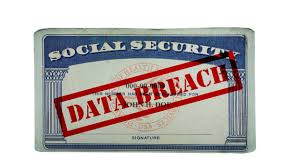
A social security breach can mean your Social Security number (SSN), earnings record, or other sensitive data is exposed or misused.
Even if the Social Security Administration (SSA) has not confirmed an internal system compromise, recent incidents point to serious risks for millions of Americans.
What qualifies as a social security breach?
A social security breach occurs when someone unauthorized gains access to or publishes information tied to an individual’s Social Security number, benefits, or account records.
That might involve a hacker getting into government or third-party systems, internal misuse of data, or exposure during a data broker hack.
Even if SSA internal systems remain secure, exposure at other firms or cloud services can functionally produce a breach by compromising the same personally identifiable information.
Which major social security breaches have been reported recently?
One of the biggest examples around is the National Public Data breach.
In 2024, the data broker National Public Data suffered a breach that reportedly exposed up to 2.9 billion records, including full names, addresses, dates of birth, and Social Security numbers.
The breach may include SSNs for millions of Americans, putting them at risk of identity theft.
More recently, whistleblower complaints claim that the Department of Government Efficiency (DOGE) accessed and uploaded SSA’s data to a cloud server in ways that lacked independent oversight.
The claims suggest SSD systems may have been compromised even if SSA says no breach was confirmed.
A federal judge issued a temporary order blocking DOGE from accessing SSA systems and requiring the deletion of personally identifiable data in their possession.
How can you detect a social security breach affecting you?
Detecting a social security breach can be challenging, but signs include:
- Unexpected credit inquiries or new accounts opened in your name
- Notices from credit bureaus about activity you didn’t initiate
- Denials of credit applications despite a good history
- IRS tax notices about multiple returns filed with your SSN
- Alerts from identity monitoring services
- Emails or letters claiming to confirm data breach exposure
If you see any of these, it could signal that your SSN or related data was exposed.
What does the SSA say about a social security breach?
The SSA asserts that its internal systems have not been breached, and that recent media reports about SSN exposure are tied to external breaches, not direct attacks on SSA infrastructure.
The SSA emphasizes that it publishes best practices to help people protect their personal information.
The SSA also has a fraud and abuse reporting mechanism through its Office of the Inspector General (OIG).
What steps should you take after a suspected Social Security breach?
If you suspect a social security breach of your information, act quickly:
- Visit IdentityTheft.gov to report identity theft and get a recovery plan.
- File a police report and keep a copy for documentation.
- File a complaint with the Internet Crime Complaint Center (IC3) at ic3.gov.
- Contact one of the three major credit bureaus (Equifax, Experian, TransUnion) to place a fraud alert or credit freeze. The bureau you call must notify the others.
- Regularly check your credit reports via AnnualCreditReport.com for unexpected accounts or changes.
- Contact the IRS if someone used your SSN to file a tax return improperly.
How can you protect yourself from future social security breaches?
Preventing a social security breach starts with shielding your information:
- Do not carry your Social Security card; keep it stored safely
- Limit use of your SSN—only provide it when legally required
- Use strong, unique passwords and enable multi-factor authentication on accounts
- Watch out for phishing emails or calls asking for your SSN or login credentials
- Use my Social Security account and periodically review your record
- Activate the eServices block or the Direct Deposit Fraud Prevention block on your SSA account to restrict changes online.
What legal and system changes may stem from a social security breach?
In response to social security breach risks, legal and operational shifts may follow.
Courts have already limited access to SSA systems by external parties such as DOGE, demanding data deletion and compliance with privacy laws.
Legislators may propose new laws to tighten protections on SSN databases and penalize misuse.
Also, the SSA may revise identity proofing, auditing, and system access protocols to reduce insider risk, especially over cloud storage and third-party contractors.